The rent stopped, the lights are off, the mail is piling up, and nobody's answering your calls — but "it looks abandoned" and "it is legally abandoned" are two different things, and treating them as the same one is how landlords end up facing a wrongful-lockout claim from a tenant who insists they were coming back. This page walks through how abandonment is actually determined, what you're required to do with what's left behind before you can safely re-key and sell, and what selling a vacated rental is actually worth compared to listing it after repairs.
Step 1 of 5
Tell us the condition it was left in. We'll tell you honestly what a cash offer looks like against fixing it up and listing.
You’ll talk to Trevor McAmis, Owner & Acquisitions Lead
(313) 710-6129
Takes about two minutes. Or call (313) 710-6129 — we answer.
Educational only. This explains how these situations generally work. It is not legal, tax or financial advice, and the rules differ by state — talk to an attorney or CPA about your own situation before you act on any of it.
You can sell a rental property once it's legally yours to deal with, but most states require specific notice and a storage period for the tenant's left-behind belongings before you can dispose of them or safely re-key and market it. Skip those steps and you risk a wrongful-lockout or conversion claim even from a tenant who genuinely left for good.
This is general educational information, not legal advice. Abandonment notice periods, storage durations and disposal procedures are set by your specific state's landlord-tenant statute and vary significantly — confirm the current requirements with a local landlord-tenant attorney before acting.
Abandonment is a specific legal determination, not a feeling. Most states set an objective test combining how long the tenant has been gone, how long rent has gone unpaid, and what's left in the unit — precisely because “they seem gone” is not a standard a court will accept from a landlord who changed the locks and was wrong.
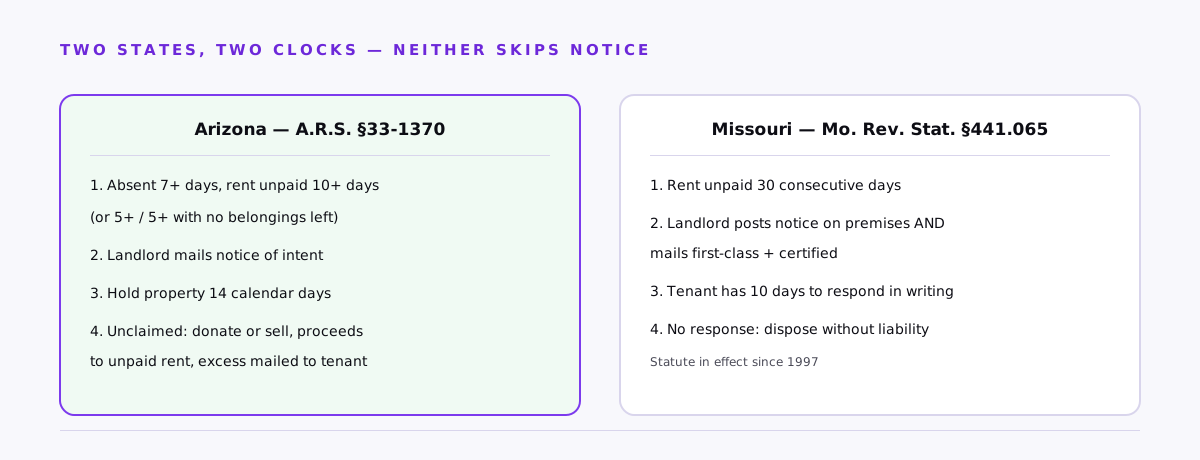
Two examples from states this company buys in show how differently the test can be written:
Neither state lets a landlord simply decide the tenant is gone and act on that alone. Both require unpaid rent crossing a specific threshold, and both then layer a formal notice step on top — which is the part landlords most often skip.
Once the statutory threshold is met, the law generally requires you to tell the tenant you believe they've abandoned the unit, and give them a window to say otherwise, before you can touch what's left behind.
In Arizona, the landlord must mail notice of intent to take the property, then hold it for at least 14 calendar days; after that, if unclaimed, it can be donated to a qualified charity or sold, with sale proceeds applied to unpaid rent and costs and any excess mailed to the tenant's last known address. Missouri's version of this statute has been on the books since 1997 — it requires the landlord to post written notice on the premises and mail it first-class and certified to the tenant's last known address, stating plainly that rent has been unpaid for 30 days and the landlord believes the unit has been abandoned; the tenant then has 10 days from the later of the posting or the mailing to respond in writing that they have not abandoned it. Only if that window passes without a response can the landlord dispose of what remains without liability.
Why this matters more than it looks like it should: a tenant who was, say, hospitalized, incarcerated briefly, or dealing with a family emergency and genuinely intended to come back has grounds to sue a landlord who disposed of their belongings or re-let the unit without following the statutory process — even if the landlord's underlying belief turned out to be correct. Following the notice and storage steps protects you regardless of how the tenant's situation actually resolves.
Abandonment does not erase what the tenant owed you, and it does not automatically let you keep the full deposit without accounting for it. In most states you still owe the tenant an itemized statement of deductions — unpaid rent, actual damage beyond normal wear, cleanout and disposal costs you incurred — sent to their last known address within your state's standard deposit-return window, exactly as if they'd moved out normally. Skipping that step for an abandoned unit is as common a landlord mistake as skipping the abandonment notice itself, and it carries its own separate statutory penalty in many states if a tenant later surfaces and disputes it.
Practically: keep every text, voicemail and piece of mail documenting the tenant's absence and the rent default, photograph the unit's condition before you touch anything, and keep receipts for any cleanout or storage costs. That record is what protects you if the tenant resurfaces, and it's also exactly what you'll need to support any deduction from the deposit.
Abandoned rentals are rarely left in move-in condition. Take a single-family rental with a $185,000 after-repair value, left with carpet that needs replacing, a few holes in drywall, a dead lawn, and a garage full of belongings that went unclaimed through the storage period:
| Step | List it retail | Sell as-is for cash |
|---|---|---|
| Cleanout and disposal of unclaimed property | −$1,200 | $0 — included |
| Repairs (flooring, drywall, paint, landscaping) | −$14,000 | $0 |
| Holding costs while vacant and listed (3 months at $1,350) | −$4,050 | −$450 (3 weeks) |
| Agent commission (listing + buyer side, ~5.5%) | −$10,175 | $0 |
| Approximate net to you | $155,575 | $139,500–$151,700* |
*Illustrative cash range at roughly 75–82% of after-repair value, reflecting the buyer funding the cleanout and repairs themselves. Not a quote — actual offers depend on the specific property and local market.
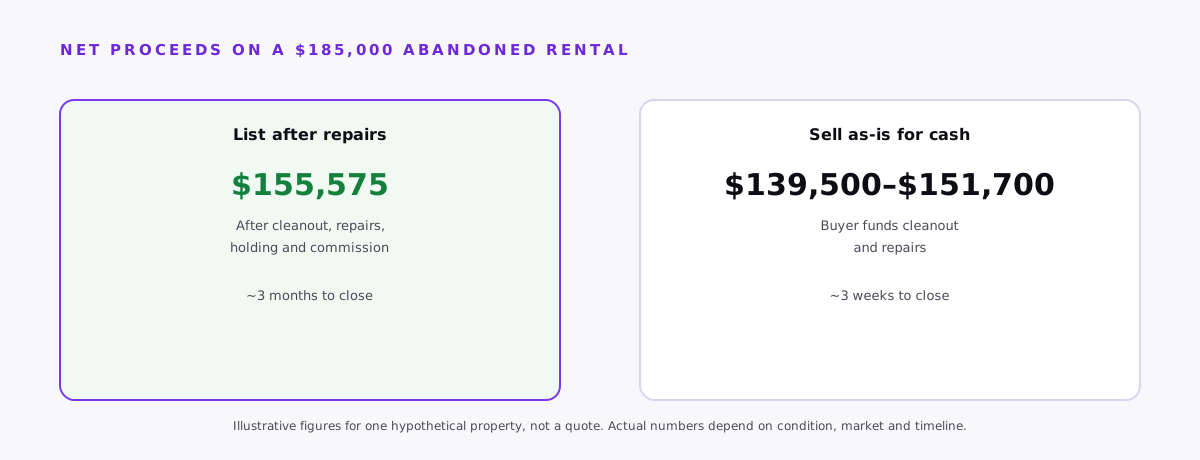
The honest read: on a rental in only moderate disrepair with time to spare, listing after repairs still tends to net more, the same pattern as most repaired-vs-as-is comparisons on this site. What changes the math for an abandoned unit specifically is the time already lost to the notice and storage process, plus a second landlord's patience most owners have run out of by this point — the holding-cost gap narrows fast the longer cleanout, permitting for repairs, and a second marketing cycle drag on, and a unit sitting vacant for months earns nothing while property tax and insurance keep running regardless of which route you take.
If the unit is in rougher shape — serious damage, not just neglect — see our guides to fire damage or water damage for how those specific repair costs change the comparison.
Abandonment has a real legal process behind it, and skipping the notice and storage steps to get to a sale faster is the single most common way landlords turn a bad tenant situation into a legal one. Once you've cleared that process properly, the sale decision comes down to the same tradeoff every landlord selling a distressed rental faces: fund the cleanout and repairs for a better net if you have the time and patience, or sell as-is now if you don't. Send us the address and we'll give you a straight number for the second option.
Once the property is legally yours to deal with, you have a choice: fund the cleanout and repairs and list it, or sell it to us as-is and skip the storage clock, the cleanout and the holding costs entirely. We buy rental properties in the exact condition a tenant leaves them in.
Send us the address and we'll give you a straight cash figure to compare against listing.
All guides · Tired landlord situations · Selling a rental property with tenants · Selling a house with squatters
Step 1 of 5
No obligation, no fees, no repairs. We respond the same day.
You’ll talk to Trevor McAmis, Owner & Acquisitions Lead
(313) 710-6129
Takes about two minutes. Or call (313) 710-6129 — we answer.
